


THE SCIENCE OF SKIN RENEWAL

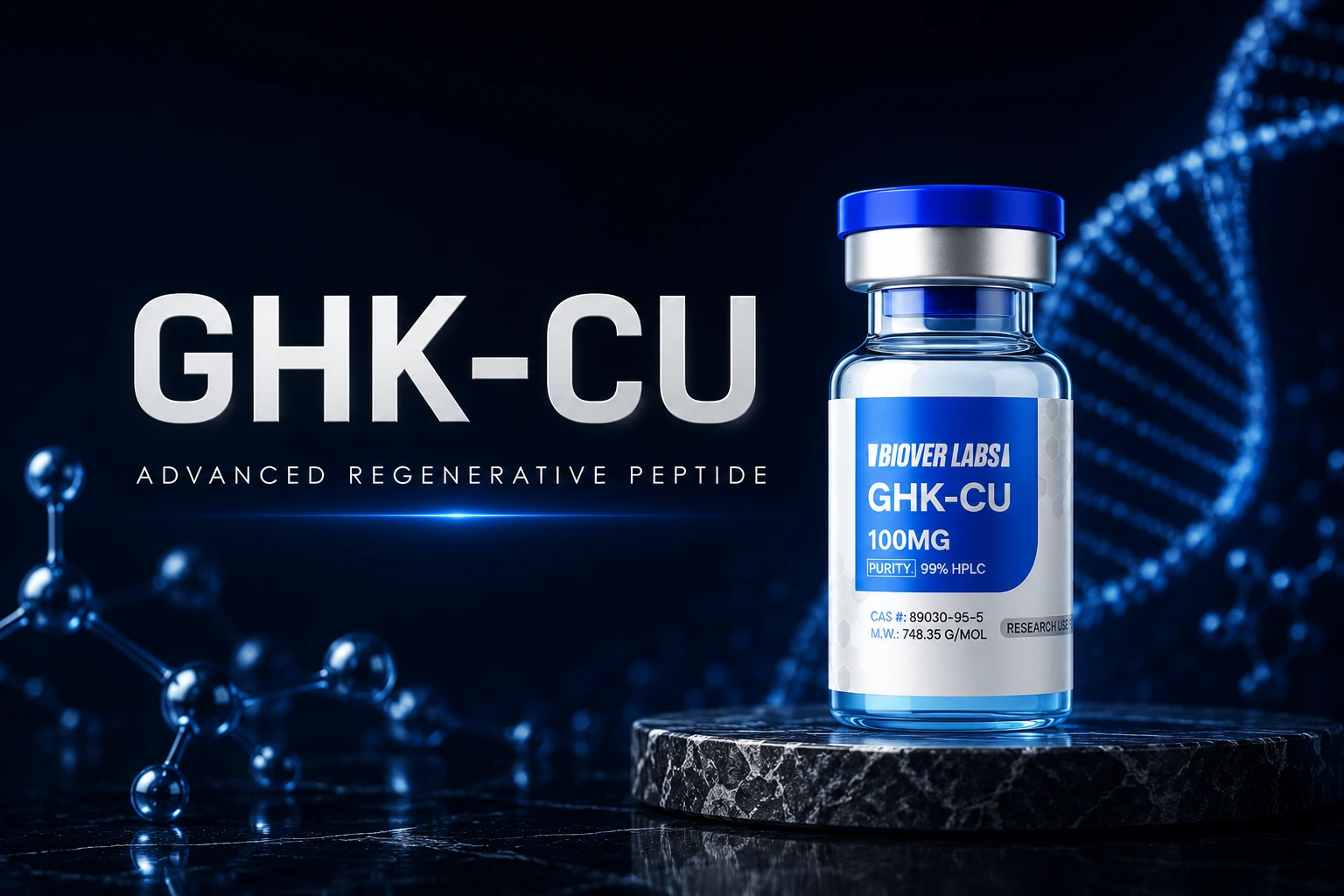
Modern peptide research has opened the door to an entirely new understanding of how the skin responds to aging, environmental stress, and cellular damage. Among the compounds attracting growing attention in regenerative and cosmetic peptide science, GHK-Cu has emerged as one of the most discussed copper peptides in modern research environments.
From collagen signaling pathways to skin renewal mechanisms, researchers continue exploring how specific peptide compounds may interact with cellular communication systems involved in tissue maintenance and regeneration. While the field is still evolving, interest in skin-focused peptide research has expanded rapidly across cosmetic science, longevity discussions, and regenerative biology laboratories.
In recent years, the concept of “skin renewal” has shifted far beyond traditional cosmetic products. Instead of simply focusing on surface-level appearance, modern peptide research investigates the biological systems connected to elasticity, repair signaling, hydration balance, oxidative stress, and cellular turnover. This shift represents a broader movement toward understanding skin at a molecular level rather than treating it purely as a cosmetic concern.
Understanding Skin Renewal
Human skin is constantly renewing itself. Every day, millions of skin cells are replaced through natural biological processes designed to maintain barrier function and structural integrity. In younger individuals, this cycle typically occurs efficiently and consistently. However, as aging progresses, multiple regenerative pathways begin to slow down.
Researchers studying skin aging often point to several major contributors:
* Declining collagen production
* Reduced cellular communication
* Oxidative stress accumulation
* Environmental exposure
* Inflammation signaling
* Slower tissue recovery processes
Over time, these factors may contribute to visible changes in skin texture, elasticity, hydration, and tone. Modern regenerative research focuses on understanding how signaling compounds may influence these pathways and support broader skin renewal mechanisms.
This is where peptide science becomes especially interesting.
What Makes Peptides Important?
Peptides are short chains of amino acids that can function as signaling molecules within the body. Different peptides interact with different biological systems, depending on their structure and function.
In cosmetic and regenerative research, peptides are frequently studied for their potential role in:
* Cellular communication
* Tissue signaling
* Collagen-related pathways
* Skin structure maintenance
* Recovery mechanisms
* Oxidative stress response
Rather than acting as simple topical cosmetic ingredients, peptide compounds are often investigated for how they may influence deeper biological systems connected to tissue behavior and regenerative signaling.
Among the many compounds being explored in this space, GHK-Cu has become one of the most recognized names in peptide-related skin research.
What Is GHK-Cu?
GHK-Cu is a naturally occurring copper peptide complex first identified in human plasma. The compound consists of the tripeptide GHK bound to copper ions, creating a structure widely studied in regenerative and cosmetic peptide research.
Researchers became interested in GHK-Cu after observing its potential involvement in multiple biological pathways connected to tissue maintenance and cellular signaling. Over time, investigations expanded into areas involving skin regeneration, collagen pathways, wound response mechanisms, and broader regenerative science.
One reason GHK-Cu continues attracting scientific attention is its relationship with copper, an essential trace mineral involved in numerous biological functions. Copper plays an important role in enzymatic activity and structural protein pathways associated with connective tissues and skin integrity.
The combination of peptide signaling and copper interaction has made GHK-Cu a highly discussed compound in modern skin-focused research environments.
The Connection Between GHK-Cu and Skin Research
One of the primary reasons researchers study GHK-Cu is its potential relationship with skin renewal pathways. Investigations have explored how the compound may interact with systems connected to:
* Collagen signaling
* Elastin-related pathways
* Tissue remodeling
* Skin firmness mechanisms
* Cellular recovery responses
* Oxidative stress regulation
In cosmetic science discussions, collagen frequently becomes the center of attention. Collagen is one of the structural proteins responsible for skin firmness and elasticity. As collagen production changes over time, visible aging signs often become more pronounced.
Researchers studying regenerative peptides are increasingly interested in compounds capable of interacting with signaling pathways associated with extracellular matrix maintenance and structural support systems within the skin.
While research continues developing, GHK-Cu remains one of the most recognized compounds in this category.
Why Regenerative Science Is Changing Cosmetic Research
Traditional cosmetic approaches have largely focused on surface-level improvements. However, modern regenerative science explores the biological systems operating underneath the skin’s visible appearance.
This shift has transformed how researchers approach topics such as:
* Skin aging
* Recovery pathways
* Long-term tissue maintenance
* Cellular resilience
* Regenerative signaling
* Cosmetic longevity science
Instead of simply masking visible changes, researchers now investigate how cellular environments may influence the long-term condition of skin tissue itself.
The growing popularity of regenerative peptide discussions reflects this broader scientific evolution.
The Role of Oxidative Stress
Another important area of research surrounding skin renewal involves oxidative stress.
Environmental factors such as pollution, UV exposure, stress, and lifestyle variables may contribute to oxidative processes connected to visible skin aging. Over time, oxidative stress may influence tissue integrity and cellular performance.
Many regenerative research compounds are studied for their relationship with pathways associated with cellular stress response systems. GHK-Cu is often discussed within these conversations due to ongoing investigations involving its interaction with broader tissue-support mechanisms.
The interest here is not merely cosmetic. Researchers increasingly view skin as a biological reflection of larger systemic processes connected to aging, recovery, and cellular communication.
Why Research Interest Continues Growing
Interest in peptide science has accelerated significantly over the past decade. Discussions surrounding longevity, regenerative biology, and advanced cosmetic science continue expanding into mainstream awareness.
Several factors are driving this growth:
1. Increased Focus on Longevity Research
Modern consumers and researchers are becoming more interested in biological aging rather than cosmetic appearance alone.
2. Advances in Regenerative Science
New technologies and research tools have improved the ability to investigate peptide-related pathways in greater detail.
3. Demand for Precision Compounds
Research environments increasingly prioritize compounds produced with strict purity standards and laboratory verification.
4. Expansion of Cosmetic Peptide Science
The cosmetic industry has become more scientifically driven, with growing interest in biologically informed research approaches.
As this field evolves, compounds like GHK-Cu remain central to conversations about the future of regenerative skin research.
Precision Matters in Research Environments
In peptide-related investigations, quality standards play an essential role. Research compounds are often evaluated based on purity verification, production consistency, and laboratory handling standards.
Researchers typically prioritize:
* Independently verified purity
* Research-grade consistency
* Controlled manufacturing conditions
* Accurate labeling
* Reliable storage protocols
As peptide science expands globally, maintaining high research standards has become increasingly important for ensuring consistency across investigative environments.
The Future of Skin Renewal Research
The future of regenerative cosmetic science will likely move deeper into molecular-level understanding rather than traditional surface-level cosmetic approaches.
Researchers continue exploring how signaling compounds may interact with biological systems connected to:
* Tissue resilience
* Cellular aging
* Regenerative communication
* Recovery pathways
* Structural protein behavior
* Long-term skin maintenance
While many questions still remain under investigation, peptide science represents one of the most rapidly evolving categories in modern cosmetic research.
Compounds such as GHK-Cu continue attracting attention not because they promise unrealistic transformations, but because they exist within a broader scientific movement focused on understanding the biology of renewal itself.
Final Thoughts
The science of skin renewal is becoming increasingly sophisticated. What was once viewed purely through a cosmetic lens is now being examined through regenerative biology, peptide science, and cellular signaling research.
GHK-Cu has become one of the most recognized compounds in this space due to ongoing interest in its relationship with tissue-support pathways and regenerative mechanisms. As peptide research continues evolving, the conversation surrounding skin renewal is likely to become even more biology-driven, precision-focused, and scientifically advanced.
Modern regenerative science is no longer just about appearance. It is about understanding how cellular systems function, adapt, and maintain resilience over time.
And in that conversation, peptide research is only getting started.
Available in our store

Bpc-157 10mg

Cjc-1295 Dac 10mg
$89.95
DSIP 10mg

Epithalon 10mg
$69.95
Ghk-cu 100mg


